
The Quiet Revolution Under Your Feet
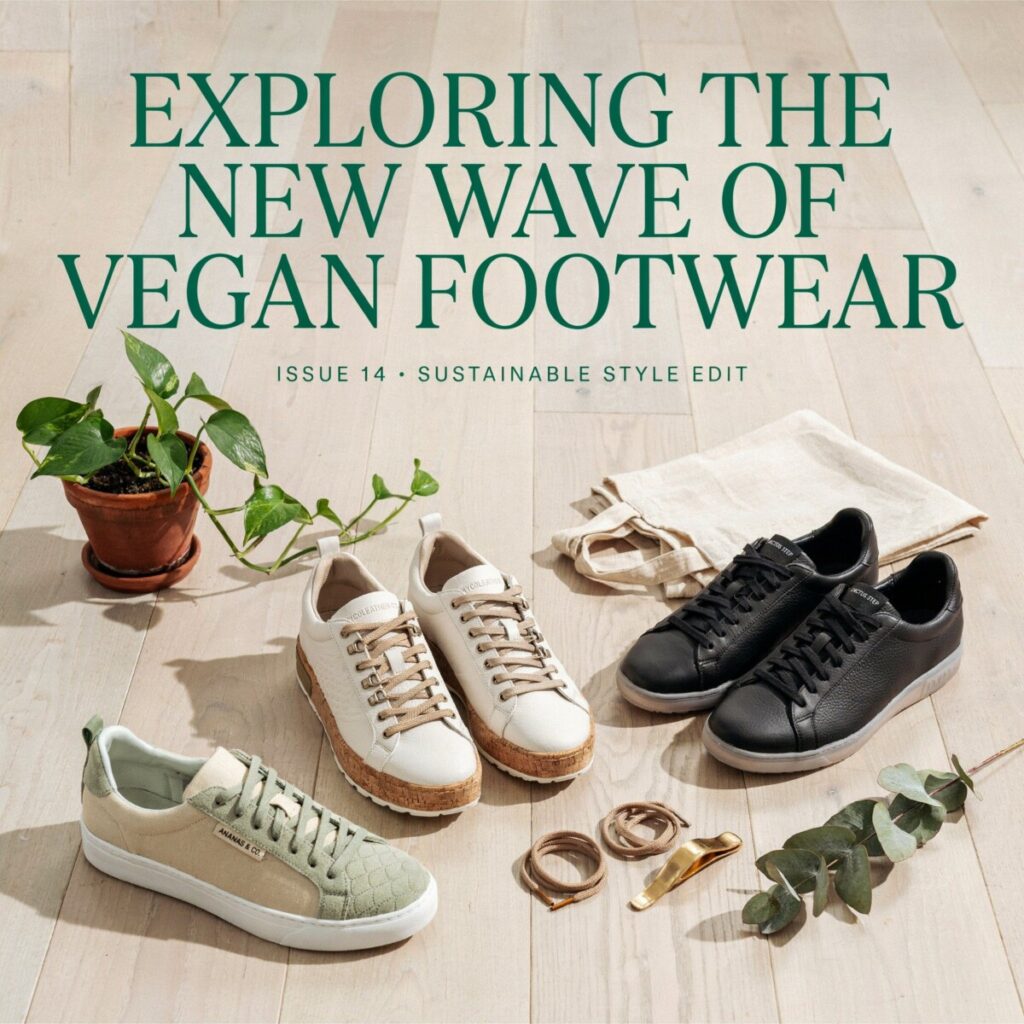
The last five years have seen a quiet revolution in footwear: options that once meant compromise on style or durability are now stylish, functional, and—most importantly—animal-free. From pineapple-based dress shoes to sneakers made from recycled ocean plastic, the new wave of vegan footwear is redefining what cruelty-free fashion can look like. Walk into any major US retailer today, and you will find dedicated vegan shoe sections that did not exist a decade ago. Online marketplaces report surging search volume for terms like “vegan sneakers” and “plant-based leather,” and social media feeds overflow with creators styling everything from vegan boots to biodegradable sandals.
This shift is not a passing trend. It reflects deeper changes in how American consumers think about what they wear, where it comes from, and what happens to it after the last wear. Vegan footwear, once relegated to a narrow niche of hemp sandals and clunky clogs, now spans athletic performance shoes, polished office loafers, luxury heels, and rugged hiking boots.
In this guide, we will break down what “vegan” actually means in the context of modern shoes, explore the innovative materials driving the category forward, highlight the brands leading the charge in the US market, and give you practical advice for buying, styling, and caring for cruelty-free shoes. Whether you are a longtime ethical shopper or simply curious about eco-friendly shoes, this is your roadmap.
Why Vegan Footwear Matters Now
Consumer demand for sustainable footwear in the United States has accelerated sharply. A 2025 report from the NPD Group noted that searches for “sustainable shoes” and “cruelty-free shoes” grew by more than 40 percent year over year among US shoppers aged 18 to 40. Gen Z and Millennial buyers, in particular, are voting with their wallets, prioritizing ethical fashion choices that align with climate awareness and animal welfare concerns.
The environmental case is compelling. Conventional leather production is resource-intensive: raising cattle for hides contributes to deforestation, greenhouse gas emissions, and water pollution from tanning chemicals such as chromium. The global leather industry processes billions of animal hides annually, and the environmental footprint extends well beyond the farm. By contrast, many vegan shoe materials—especially those derived from agricultural waste like pineapple leaves or apple peels—repurpose byproducts that would otherwise be discarded.
There is also a straightforward ethical argument. For consumers who avoid animal products in their diet, extending that principle to their wardrobe feels consistent. Cruelty-free shoes eliminate the need for animal-derived materials entirely, from the upper to the adhesive to the dye.
Market data supports the momentum. The global vegan footwear market was valued at approximately $1.3 billion in 2024 and is projected to exceed $2.1 billion by 2030, according to Grand View Research. The US represents one of the fastest-growing segments, driven by direct-to-consumer brands, retailer commitments to stock more plant-based options, and increasing mainstream visibility.
What “Vegan” Really Means in Shoes
Before you shop, it helps to understand the terminology. “Vegan footwear” means the product contains no animal-derived materials—no leather, suede, wool, silk, beeswax, or animal-based glues. However, “vegan” and “sustainable” are not synonyms. A shoe made entirely from virgin polyurethane (PU) leather is technically vegan but may carry a significant petroleum-based footprint. Conversely, a shoe made from recycled materials and bio-based components can be both vegan and genuinely eco-friendly.
Look for recognized certifications to verify claims. The PETA-Approved Vegan logo confirms that no animal products or byproducts were used. The Vegan Society trademark (the sunflower logo) applies similar standards internationally. For broader sustainability credentials, the Global Recycled Standard (GRS), OEKO-TEX, and Bluesign certifications address chemical safety and recycled content.
The material landscape has expanded dramatically. Here is a quick overview of what you will encounter:
- PU leather and microfiber: Affordable, widely available, and versatile, but petroleum-derived and not biodegradable. Durability is moderate; expect three to five years with proper care.
- Piñatex (pineapple leather): Made from pineapple leaf fibers, a agricultural waste product. Breathable, textured, and increasingly used in casual and dress shoes.
- Apple leather (AppleSkin): Derived from apple pomace left over from juicing. Often blended with PU for structure.
- Mushroom leather (mycelium leather): Grown from fungal root structures. Brands like Bolt Threads (Mylo) and MycoWorks have partnered with major fashion houses. Fully bio-based and compostable under industrial conditions.
- Cork: Harvested from cork oak bark without harming the tree. Lightweight, water-resistant, and naturally antimicrobial. Common in insoles and sandal footbeds.
- Recycled plastics (rPET): Sourced from post-consumer bottles and ocean waste. Used in knit uppers and linings. Diverts waste but can shed microplastics over time.
- Bio-based adhesives and plant-based dyes: Eliminate animal-derived glues (traditionally made from bone or hide) and reduce toxic chemical loads.
Each material involves trade-offs in breathability, cost, water resistance, and end-of-life disposal. No single option is perfect, which is why informed shopping matters.
Leading US and Global Brands to Watch
The vegan footwear market in the US now spans every price point and style category. Here are brands worth knowing:
Veja (France, widely available in the US) produces sneakers using organic cotton, wild rubber from the Amazon, and recycled plastic bottles. Several styles are fully vegan and carry transparent supply chain documentation. Price range: $120–$180.
Allbirds (San Francisco) built its reputation on merino wool but has expanded into plant-based options using eucalyptus fiber (Tree line) and sugarcane-based EVA soles. Their Wool-free runners are a gateway for shoppers new to eco-friendly shoes. Price range: $98–$148.
Rothy’s (San Francisco) knits shoes from recycled plastic bottles and offers a closed-loop recycling program. Styles lean casual and professional. Price range: $125–$195.
Native Shoes (Vancouver, sold throughout the US) specializes in lightweight, EVA-based shoes that are 100 percent animal-free and recyclable through their Remix Project take-back program. Price range: $45–$90.
Cariuma (Brazil, US-based operations) makes vegan sneakers from bamboo, organic cotton, and recycled plastics, with a reforestation partnership tied to each purchase. Price range: $89–$139.
Beyond Skin (UK, ships to the US) offers polished vegan dress shoes and heels using recycled PU and faux suede. A strong option for workwear and formal occasions. Price range: $150–$250.
Stella McCartney (luxury) continues to push high-fashion vegan footwear, incorporating mushroom leather and recycled materials into runway-ready designs. Price range: $500+.
Smaller direct-to-consumer labels are also emerging, often emphasizing circular fashion principles, resolable soles, and made-in-USA manufacturing. When evaluating any brand, look for supply chain transparency, third-party vegan certifications, and concrete circular initiatives like take-back programs or repair services.
Performance, Durability, and Care
A common concern among first-time buyers: how does the durability of vegan shoes compare to traditional leather? The honest answer is that it depends on the material and construction.
High-quality microfiber and PU uppers can last three to five years with regular care, approaching the lifespan of mid-range leather shoes. Mycelium leather and Piñatex are still relatively new at scale, but early adopters report good shape retention and crease resistance. Knit uppers made from recycled PET (think Allbirds or Rothy’s) excel in breathability and comfort but may show wear faster in high-abrasion areas.
For water resistance, many vegan materials outperform untreated leather. Cork and certain PU coatings shed rain effectively. However, avoid prolonged submersion, which can degrade adhesives.
Vegan shoe care tips:
- Wipe PU and microfiber uppers with a damp cloth and mild soap. Avoid acetone or alcohol-based cleaners, which can crack the surface.
- For knit uppers, machine wash on a gentle cold cycle in a mesh bag (check brand guidelines first).
- Never place vegan shoes near direct heat sources like radiators; high temperatures warp synthetic materials.
- Condition cork insoles periodically with a small amount of cork sealant to prevent drying.
- Explore resolable soles when available. Brands like Native and select indie labels offer resoling services that extend a shoe’s life by years.
In terms of use case: vegan sneakers and casual shoes now match or exceed leather equivalents for daily wear. For heavy-duty hiking or extreme weather, research specific models carefully, as some bio-based materials are still catching up in abrasion resistance. For dress shoes, brands like Beyond Skin and select Stella McCartney styles deliver boardroom-ready polish without animal products.
How to Evaluate Claims and Avoid Greenwashing
As vegan footwear goes mainstream, greenwashing in fashion has become a real concern. Vague marketing language—”eco-conscious,” “nature-inspired,” “leather look”—tells you almost nothing. Here is how to cut through the noise:
Red flags:
- No material breakdown or ingredient list on the product page
- “Vegan leather” used as a synonym for cheap PVC with no sustainability context
- A single “eco” style in an otherwise conventional lineup, used as a marketing halo
- Unsubstantiated claims like “100% biodegradable” without specifying conditions (industrial composting vs. backyard)
What to look for:
- Recognized certifications: PETA-Approved Vegan, Vegan Society, GRS, OEKO-TEX, Bluesign
- Transparent material sourcing with named suppliers or origin countries
- Third-party lifecycle assessments or published carbon footprint data
- Clear end-of-life guidance: Is the shoe recyclable? Compostable? Part of a take-back program?
Questions to ask retailers or brand customer service:
- “Can you provide a full material composition list, including adhesives and dyes?”
- “Is this product certified vegan by a third party, or is that a self-declaration?”
- “What happens to the shoe at end of life—do you offer recycling or take-back?”
A brand that answers these questions readily and specifically is generally more trustworthy than one that deflects with feel-good language.
Buying Guide and Styling Tips
Shopping for vegan footwear in the US has never been easier, but a few practical pointers will save you time and money.
Sizing and fit: Vegan materials, especially knits and microfiber, may stretch differently than leather. Read reviews for fit notes, and take advantage of free return policies. Many direct-to-consumer brands offer 30- to 60-day trial windows. If you are between sizes, sizing up is usually safer with synthetic uppers that have less give than leather.
Budget tiers:
- Affordable ($40–$90): Native Shoes, select Cariuma styles, and retailer house brands. Great for casual and summer wear.
- Mid-range ($90–$200): Allbirds, Veja, Rothy’s, Cariuma premium lines. The sweet spot for everyday vegan sneakers, loafers, and work-appropriate styles.
- Premium ($200+): Beyond Skin, Stella McCartney, and boutique indie labels. Ideal for dress shoes, heels, and statement pieces.
Styling pairings:
- Vegan sneakers (Veja, Allbirds) pair effortlessly with athleisure looks—joggers, straight-leg jeans, or casual chinos.
- Vegan loafers and brogues (Beyond Skin, select Veja styles) slot into workwear: tailored trousers, midi skirts, or a blazer-and-jeans combo.
- Biodegradable sandals and cork-footbed styles suit warm-weather US summers: think farmers markets, beach walks, and outdoor dining.
- Vegan boots in microfiber or Piñatex work for fall and winter layering with denim or utility pants.
Pro tip: Invest in resolable soles when possible. A $160 pair of vegan shoes that can be resoled twice effectively costs less per year than a $70 pair discarded after one season.
Future Trends and Final Takeaway
The next frontier of vegan footwear is being shaped in labs and pilot factories right now. Lab-grown leather—cultured from animal cells without slaughter—is edging toward commercial viability, with startups targeting US retail partnerships by 2027–2028. Biofabrication techniques using mycelium, algae, and bacterial cellulose are improving in scalability and cost. Circular fashion models, where brands reclaim worn shoes, grind them down, and remold them into new products, are moving from pilot programs to standard operating procedure at companies like Native and Rothy’s.
On the policy front, several US states are exploring clearer labeling requirements for “vegan” and “sustainable” claims in apparel and footwear, which could reduce greenwashing and give shoppers more confidence at the point of sale. Major retailers, from Nordstrom to Target, are expanding dedicated vegan and sustainable shoe sections, signaling that this category is no longer a niche.
The takeaway is simple: you no longer have to choose between style, performance, and ethics when you shop for shoes. The new wave of vegan footwear offers genuine variety, improving durability, and a shrinking environmental footprint. Start with one pair—maybe a versatile sneaker for everyday wear or a polished loafer for the office. Apply the evaluation criteria in this guide, care for your shoes properly, and you will likely find that cruelty-free footwear is not a compromise. It is an upgrade.
