
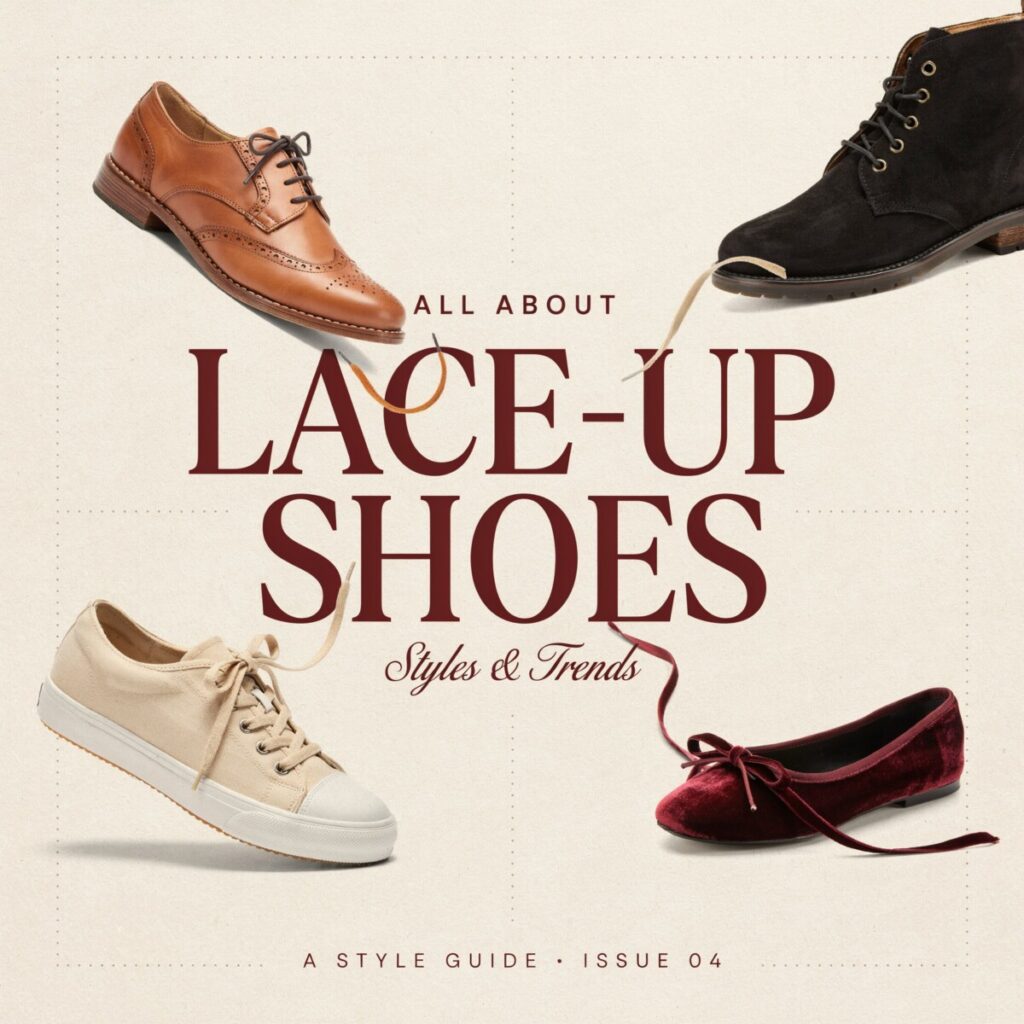
There is a reason lace-up shoes have remained an undisputed wardrobe staple for centuries. From the polished floors of corporate boardrooms to the gritty pavement of city streets, lace-up footwear offers an unmatched blend of function, form, and timeless versatility. Whether you are dressing down for a weekend coffee run or suiting up for a formal evening event, there is a lace-up silhouette perfectly suited for the occasion.
In the US, our appreciation for this classic footwear spans everything from rugged American heritage work boots to sleek, European-inspired dress shoes. But with so many variations on the market, how do you navigate the world of laces? In this comprehensive guide, we will explore the rich history of lace-up shoes, break down the main styles you need to know, and dive into the latest trends shaping 2026. Plus, we’ll share expert styling tips, a practical buying guide, and essential shoe care advice to ensure your favorite pairs go the distance. Let’s get tying!
Quick History and Evolution
The story of lace-up shoes stretches back centuries, evolving from purely utilitarian foot coverings into powerful fashion statements. Early iterations of laced footwear date back to ancient times, but the modern lace-up shoe as we know it began taking shape in the 19th century. The Oxford shoe, named after the prestigious university where students popularized a low-cut, laced boot, emerged as a symbol of refined menswear. Meanwhile, in the rugged landscapes of Scotland and Ireland, brogues were developed with decorative perforations—originally designed to drain water when walking through wet bogs.
As the Industrial Revolution swept across America, the demand for durable lace-up work boots skyrocketed, cementing the style’s association with the working class. Fast forward to the 20th century, and cultural shifts completely transformed the lace-up landscape. The rise of youth subcultures in the mid-century brought combat boots and creepers into the mainstream, while the athletic boom of the 1970s and 80s turned lace-up sneakers into global icons. Today, the evolution continues. Modern lace-up shoes seamlessly bridge the gap between historical utility and contemporary high fashion, proving that a simple system of eyelets and laces can adapt to virtually any era or aesthetic.
Main Styles Explained
Understanding the nuances between different lace-up styles is the key to mastering your footwear game. Here is a breakdown of the essential silhouettes every US shopper should know.
Oxford Shoes
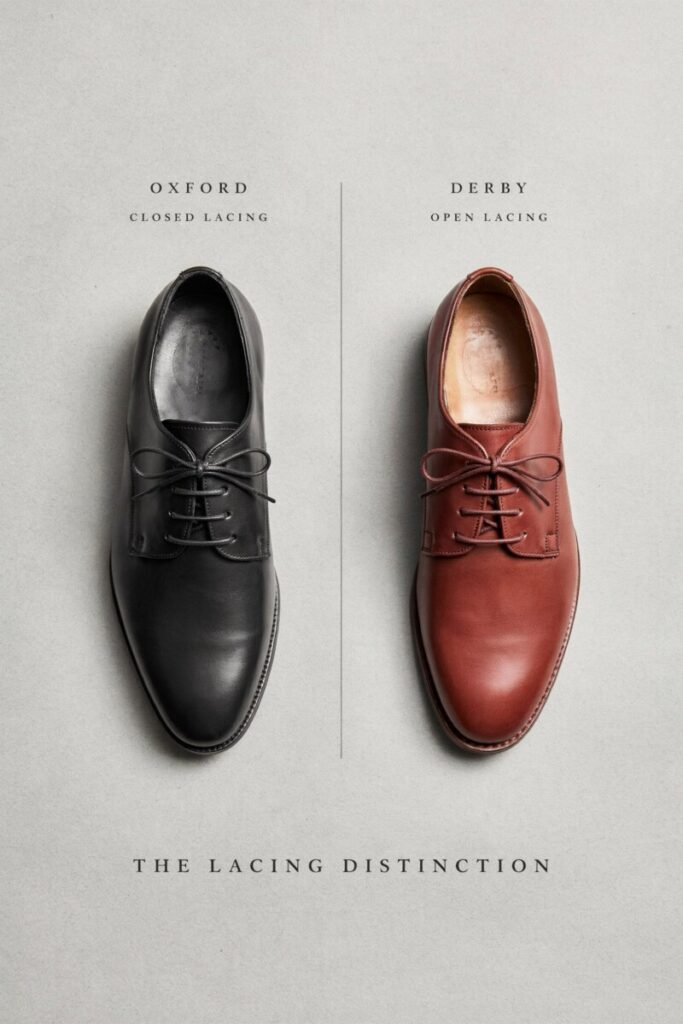
The quintessential dress shoe, Oxfords are defined by their “closed lacing” system, where the eyelet tabs are stitched underneath the vamp. This creates a sleek, seamless profile.
- Best for: Formal events, business professional attire, and weddings.
- Styling: Men should pair black leather Oxfords with tailored suits. Women can rock patent leather or velvet Oxfords with midi skirts or sleek trousers.
- Materials: Calfskin leather, patent leather, or high-end suede.
Derby Shoes
Often confused with Oxfords, Derby shoes feature “open lacing,” meaning the eyelet tabs are sewn on top of the vamp. This makes them slightly more forgiving for higher insteps and inherently more casual.
- Best for: Business casual settings, smart-casual dinners, and date nights.
- Styling: Pair brown suede Derby shoes with dark denim and a crisp button-down.
- Materials: Suede, grained leather, and polished calfskin.
Brogues and Wingtip Shoes
Broguing refers to the decorative perforations along the shoe’s edges. A “wingtip” is a specific type of brogue with a W-shaped toe cap. While originally designed for drainage, today they are purely aesthetic.
- Best for: Adding character to office wear or elevating weekend casuals.
- Styling: Contrast the intricate detailing by pairing wingtip shoes with clean, minimalist chinos and a fitted sweater.
- Materials: Rich, contrasting leathers or two-tone suede.
Loafers vs. Lace-Ups
While loafers are slip-ons, the debate of when to choose lace ties over slip-ons comes down to formality and support. Choose lace-up shoes when you need a secure, locked-in fit for long days on your feet, or when the dress code demands a more structured silhouette.
Chukka Boots and Desert Boots
Ankle-height lace-up boots featuring two or three pairs of eyelets. Desert boots are a specific type of Chukka, traditionally made with crepe soles and suede.
- Best for: Transitional weather and smart-casual outfits.
- Styling: Men’s Chukka boots with jeans are a classic Americana look. Women can pair them with rolled-cuff cropped trousers or flowy autumn dresses.
- Materials: Suede for a relaxed vibe; smooth leather for a dressier edge.
Work Boots and Combat Boots
Defined by heavy-duty hardware, thick rubber soles, and rugged construction. Combat boots offer an edgy, utilitarian aesthetic, while heritage work boots offer timeless durability.
- Best for: Streetwear, outdoor activities, and adding grit to feminine or tailored looks.
- Styling: Contrast chunky combat boots with a floral dress or wide-leg tailored trousers.
- Materials: Full-grain leather, waterproof synthetics, and heavy canvas.
Sneakers with Laces
The undisputed kings of everyday comfort. This category spans from low-top minimalist leather trainers to high-top athletic and lifestyle chunky sneakers.
- Best for: Daily wear, travel, running errands, and athleisure.
- Styling: Crisp white lace-up sneakers look equally great with joggers or a casual summer suit.
- Materials: Canvas, mesh, knit fabrics, and premium leather.
Casual Lace-Up Shoes
This broad category includes espadrille lace-ups, boat shoe variants, and canvas lace-ups (like classic vulcanized skate shoes).
- Best for: Summer vacations, beach towns, and laid-back weekends.
- Styling: Pair canvas lace-ups with shorts and a linen shirt for an effortless coastal look.
- Materials: Cotton canvas, jute, and breathable textiles.
Current Trends
As we move through 2026, the landscape of lace-up shoes is being shaped by a desire for both nostalgic comfort and forward-thinking innovation. Here is what is trending right now in the US market.
Chunky Soles and Platform Shoes
The maximalist trend shows no signs of slowing down. Platform shoes and exaggerated lug soles are dominating both men’s and women’s footwear. Not only do they add a bold, fashion-forward edge to any outfit, but the extra cushioning provides all-day comfort.
(Image suggestion: Split-screen trend examples showing a chunky sole lug boot next to a minimalist sleek leather sneaker. Alt text: “trend examples comparing chunky sole platform shoes vs sleek minimalist lace-ups”)
Retro Silhouettes and ’90s Revival
Nostalgia continues to drive sneaker culture. Retro ’90s chunky sneakers, featuring complex paneling and vibrant color-blocking, are highly sought after. Conversely, there is a strong counter-movement toward minimalist sleek designs, with ultra-thin soles and low-profile lace-up sneakers gaining traction in high-fashion circles.
Gender-Fluid Styling and Unisex Offerings
The lines between menswear and womenswear are blurring more than ever. US shoppers are increasingly embracing gender-fluid styling, with brands releasing unisex lace-up boots and sneakers that focus on neutral color palettes, adaptable sizing, and universal silhouettes.
Comfort Tech Integration
Consumers refuse to sacrifice comfort for style. Modern lace-ups are being engineered with advanced comfort tech, including memory foam cushioned insoles, lightweight EVA midsoles, and breathable, moisture-wicking linings. This means your dress shoes can feel just as supportive as your running shoes.
Natural Leathers and Bold Metallics
In terms of finishes, rich, natural, uncorrected leathers that develop a beautiful patina over time are highly prized. On the flip side, metallics—particularly brushed silver and antique gold—are making a massive splash in evening and party-wear lace-ups.
Sustainability and Vegan Materials
Eco-conscious consumers are driving a surge in vegan lace-up shoes. Brands are utilizing innovative plant-based materials made from cactus, apple, or mushroom mycelium, proving that you don’t need animal products to achieve a premium, durable finish.
Streetwear and High-Fashion Collaborations
Collaborations between heritage bootmakers and hyped streetwear labels continue to dictate mainstream trends. These limited-edition drops often introduce avant-garde materials and unconventional lacing systems to a wider audience.
How to Style Lace-Up Shoes
Knowing how to style lace-up shoes can completely transform your wardrobe. Because of their inherent versatility, a single pair can anchor dozens of different outfits. (Internal link suggestion: Link to “business casual outfits for men”)
Daytime Casual Looks
For running errands or weekend brunches, lean into relaxed fabrics. Canvas lace-ups or retro sneakers pair beautifully with straight-leg jeans, chino shorts, and oversized knitwear.
(Image suggestion: Seasonal outfit collage featuring white sneakers with denim and a casual dress. Alt text: “casual daytime outfits featuring lace-up sneakers and jeans”)
Work and Business Casual
When navigating the modern office, polished leather lace-up shoes are your best friend. Derby shoes or brogues offer the perfect middle ground between formal and relaxed. Pair them with tailored trousers, a crisp Oxford cloth button-down, and an unstructured blazer.
Evening and Formal
For black-tie events or upscale dinners, keep it sleek. Black Oxfords are non-negotiable with a tuxedo or dark worsted wool suit. Ensure your shoes are highly polished to reflect the evening’s sophistication.
(Image suggestion: Close up of black leather oxford shoes with a suit hem. Alt text: “brown leather oxford shoes close-up paired with tailored suit trousers”)
Seasonal Tips
In the summer, opt for breathable options like espadrille lace-ups or unlined suede. As fall and winter approach in the US, transition to lace-up boots. Layering is key; try styling Chukka boots with thick wool socks and cuffed corduroys. If you’re looking for vegan lace-up boots for winter, ensure they feature weather-sealed synthetic materials and insulated linings. Wondering how to style oxford shoes with jeans? The trick is to choose a dark, well-fitted denim and a slightly chunkier Oxford or brogue to bridge the gap between casual and formal.
Quick Outfit Inspiration
- For Him (Weekend): Dark wash denim, a white heavyweight t-shirt, an overshirt, and brown suede Chukka boots.
- For Her (Office): Wide-leg plaid trousers, a fitted black turtleneck, a long wool trench coat, and pointed-toe lace-up Oxfords.
- For Him (Date Night): Navy chinos, a subtle patterned button-down, a navy blazer, and dark brown wingtip shoes.
- For Her (Edgy Casual): A slip midi skirt, a vintage graphic tee, a leather moto jacket, and chunky lace-up combat boots.
Buying Guide and Fit Tips
Whether you are shopping for men’s lace-up shoes or women’s lace-up shoes, investing in the best lace-up shoes of 2026 requires paying close attention to fit and construction. A beautiful lace up shoe is useless if it leaves you with blisters. (Internal link suggestion: Link to “shoe fit and sizing guide”)
Finding the Perfect Fit
Always measure your feet at the end of the day when they are naturally slightly swollen. Pay attention to width and arch support, as US sizing often varies between brands. If you are wondering how to break in leather lace-up shoes, start by wearing them indoors with thick socks for 30 minutes a day, gradually increasing the time. Use a leather conditioner to soften stiff spots.
Understanding Construction
The way a shoe is built dictates its lifespan.
- Goodyear Welt: The gold standard. The upper is stitched to a welt, which is then stitched to the sole. It is water-resistant and easily resoleable.
- Blake Stitch: The sole is stitched directly to the upper from the inside. It offers a sleeker, more flexible profile but is harder to resole.
- Cemented: The upper is glued to the sole. It is affordable and lightweight but cannot be resoled once it wears out.
(Image suggestion: Macro close-up of stitching showing Goodyear welt vs cemented sole. Alt text: “close-up of Goodyear welt stitching on a leather lace-up shoe”)
Price Ranges and Shopping
Decide when to splurge and when to save. Splurge on Goodyear-welted leather Oxfords or heritage lace-up boots that will last a decade. Save on fast-fashion canvas sneakers that you plan to replace every season. For US shoppers, brick-and-mortar stores are invaluable for trying on different lasts, while reliable online retailers offer vast selections with easy return policies. Don’t overlook the resale and vintage markets for high-end, gently used designer lace-ups available in the US.
Care, Maintenance, and Longevity
Proper shoe care is the secret to making your lace-up shoes last for years. Different materials require different approaches, but a consistent routine will protect your investment. (Internal link suggestion: Link to “how to clean suede shoes” and “best boots for winter”)
Cleaning by Material
For smooth leather, wipe away dirt with a damp horsehair brush and apply a quality wax or cream polish to restore moisture and shine. Suede lace-up shoes should be cleaned with a specialized suede brush and eraser to lift stains without ruining the nap. Canvas lace-ups can usually be spot-cleaned with mild soap and warm water. Always apply a waterproofing spray to protect against unpredictable weather.
Storage and Rotation
Never wear the same pair of leather shoes two days in a row; they need 24 hours to dry out and release moisture. Store them in a cool, dry place away from direct sunlight.
Resoling and Repairs
If you have Goodyear welted or Blake stitched shoes, take them to a cobbler when the sole wears thin. Resoling is highly worth it and breathes new life into a broken-in upper.
Your Weekly Care Checklist:
- Brush off surface dirt after every wear.
- Insert cedar shoe trees to maintain shape and absorb odor.
- Condition leather shoes once a month.
- Rotate your pairs to extend their lifespan.
- Re-lace frayed shoelaces before they snap.
Sustainability and Ethical Considerations
As consumers become more mindful of their environmental footprint, the demand for sustainable shoes has skyrocketed. Longevity itself is a sustainability practice; buying one high-quality, resoleable pair of lace-ups over five years is far greener than buying cheap, disposable footwear annually.
Look for brands that prioritize ethical manufacturing, ensuring fair wages and safe working conditions for their artisans. Eco-friendly materials are also transforming the industry. From recycled rubber outsoles to organic cotton laces and plant-based vegan leather, the options are expanding. When shopping for vegan lace-up boots for winter or everyday wear, look for verified ethical certifications like B Corp, Fair Trade, or PETA-Approved Vegan to ensure the brand’s claims are backed by rigorous standards rather than just greenwashing. Supporting American brands that manufacture locally can also help reduce carbon emissions associated with overseas shipping.
Conclusion
Lace-up shoes are much more than just a way to cover your feet; they are versatile wardrobe investments that bridge the gap between history and modern style. From the boardroom to the streets, the right pair of Oxfords, Chukkas, or sneakers can elevate your entire look while providing the support you need. By prioritizing proper fit, quality materials, and consistent care, your favorite lace-ups will serve you well for years to come.
What is your go-to lace-up style? Drop a comment below with your favorite pair, share your outfit photos.
